
Self Care Strategies for Mental Health

Let’s talk real life for a moment. If you’re like most people I work with in my therapy room, you’ve probably had moments where your mental health feels like it’s holding on by a thread. You’re juggling work, family, maybe study, bills, and then somewhere way down the list—your own wellbeing.
The truth is, you can’t pour from an empty cup. And while that might sound cliché, it’s absolutely true.
As a somatic therapist and psychologist, I see the toll that burnout, stress, and emotional fatigue can take on the body. Not just mentally, but physically—tight shoulders, shallow breathing, gut issues, panic attacks. Your body keeps the score. That’s why developing effective self care strategies for mental health is not just nice to have; it’s essential.
So let’s dive into what that actually looks like in practice—no fluff, no generic lists—just real, practical self-care strategies that actually make a difference.
What Is Self-Care, Really?
Self-care isn’t just bubble baths and herbal tea. Those can be lovely, sure. But self-care is any deliberate action you take to care for your physical, emotional, and mental wellbeing. And yes, sometimes it looks like going to therapy, setting boundaries with your boss, or finally saying no to something you didn’t want to do in the first place.
It’s also not about being perfect or ticking every wellness box. It’s about listening to your body, being present, and choosing what you need in that moment. That’s where somatic awareness comes in — tuning in to the body’s signals before they scream at you.
1. Start with the Body: Somatic Awareness as a Self Care Strategy
One of the most powerful strategies for self care I teach clients is to reconnect with their body. Our culture tends to live from the neck up—overthinking, worrying, planning. But your body carries wisdom. When you practise noticing where tension builds, how your breath shifts, or when your stomach knots up, you start building somatic awareness.
Try this:
Pause right now.
Notice where your body is touching the chair or ground.
Take a slow breath and feel your belly rise.
Drop your shoulders just a little.
Notice: how does that shift your mood?
This isn’t magic—it’s neuroscience. Slow breathing activates the parasympathetic nervous system, helping you move out of fight-or-flight and into calm. That’s foundational when it comes to self care strategies for mental health.
2. Boundaries Are Self-Care (Even When They Feel Hard)
Here’s the thing — if your “self-care” leaves you more exhausted than nourished, it’s probably not care at all. Setting boundaries is one of the most overlooked self care strategies, but it’s also one of the most powerful.
Whether it’s saying no to extra work, stepping back from draining relationships, or turning off your phone at 8pm — boundaries protect your energy. And guess what? It’s okay if not everyone likes it.
Boundaries can feel hard at first, especially if you’re used to being the reliable one. But saying no to others is often a way of saying yes to yourself. That’s a self care strategy worth practising.
3. Create a “Nervous System Reset” Toolkit
Ever felt like you’re spiralling, and no amount of logic helps? That’s your nervous system in overdrive. When the body feels unsafe — whether from stress, trauma, or exhaustion — thinking clearly goes out the window.
This is where practical self-care strategies come in. Build yourself a simple toolkit you can reach for when your system needs to reset. Here are a few ideas I suggest to clients:
Grounding objects (like a smooth stone or soft fabric)
Smells that calm you (lavender oil, eucalyptus, your dog’s fur!)
Music that matches or shifts your mood
Cold water splash on your face
Slow rocking or self-hugging movements
These strategies for self care are all about regulation—helping your body find safety again so your mind can follow.
4. Connection Is Medicine
We’re wired for connection. One of the most protective self care strategies for mental health is simply being with others who see you, hear you, and accept you as you are. Not fix you—just be with you.
You don’t need a huge circle. One or two people you trust deeply is enough. If that’s not available right now, seek it out. Community groups, support networks, even a therapist can offer relational nourishment.
Loneliness is often a silent stressor. Connection helps buffer that. It reminds us we belong—and that’s incredibly regulating for the nervous system.
5. Move Your Body, But Gently
Let’s ditch the all-or-nothing mindset when it comes to movement. You don’t have to run 5km or hit the gym six days a week to support your mental health. Movement doesn’t have to be punishment—it can be a love language to your body.
As a somatic therapist, I often suggest “intuitive movement.” That might mean:
Dancing in your lounge room to your favourite 90s song
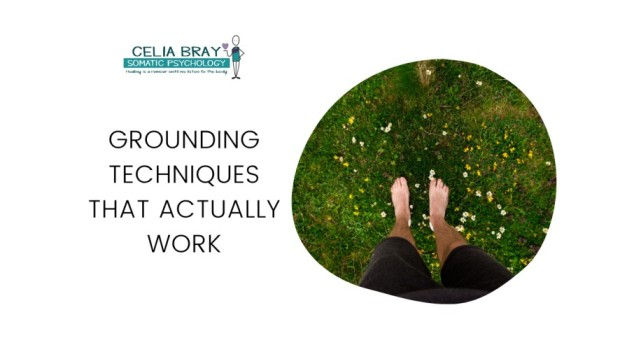
Taking a slow walk barefoot on grass
Rolling your shoulders, hips, and spine gently
Stretching in bed before you get up
Moving helps discharge stuck energy. It’s one of the most underrated self-care strategies for emotional release and regulation.
6. Digital Hygiene = Mental Hygiene
It’s hard to talk about modern self care strategies without addressing the digital overload. Scrolling for hours might feel like zoning out, but it rarely helps you tune in.
A self care strategy I recommend is creating digital boundaries. Maybe that means:
No phone in bed
A social media-free day each week
Turning off notifications (you don’t need to be “on” 24/7)
Curating your feed to things that uplift rather than drain
Technology isn’t evil—but it needs conscious management. Your mind and body need space to breathe, daydream, and just be.
7. Let Yourself Feel What You Feel
A cornerstone of all self-care strategies for mental health is emotional honesty. So often we try to push past, numb out, or override our feelings. But emotions don’t disappear—they go underground and manifest in other ways (hello, back pain, insomnia, and anxiety).
Try creating space to check in emotionally:
What am I feeling right now?
Can I name it without judging it?
Where do I feel it in my body?
Journalling, expressive writing, or simply speaking to someone you trust can be incredibly cathartic. Emotions are messengers, not enemies. Letting them move through you is a deep act of care.
8. Rest Is Productive
Rest isn’t lazy. It’s necessary. And yet, so many of us feel guilty for resting—especially when there’s always something to do.
But burnout doesn’t announce itself loudly. It creeps in quietly, often disguised as “just being tired” until it takes you down completely.
Try scheduling rest the way you would an important meeting. A nap, a quiet cuppa on the verandah, a lie-down with your eyes closed—even 10 minutes of intentional rest can reset your system.
This isn’t indulgent. It’s one of the most sustainable self care strategies out there.
9. Make It Personal
Here’s the thing: no self care strategy works if it doesn’t feel good to you. What soothes one person might overwhelm another. That’s why it’s so important to individualise your approach.
Ask yourself:
What feels nourishing—not just “healthy”?
What helps me feel more like myself?
What do I need more of in my week?
What’s one small thing I could add or remove?
Self-care isn’t a checklist. It’s a relationship—with yourself. The more you check in, the more you’ll start to hear what your body and mind actually need.
The Takeaway
Self care strategies for mental health don’t have to be complicated. At their core, they’re about reclaiming your right to rest, connect, feel, move, and be human. And when practiced regularly, these self-care strategies build resilience not by avoiding life’s challenges, but by helping you meet them from a place of steadiness and strength.
If there’s one thing I want you to take away, it’s this: You are allowed to care for yourself. Not just when everything is falling apart, but all the time. Preventatively. Gently. Consistently.
You don’t have to earn it.
Your mental health matters because you matter.
Final Thoughts
If you’ve been pushing through for too long, let this be your permission slip. Start small. Breathe deep. Choose one self care strategy this week and give it a real go. Tune in to what helps you feel grounded, connected, and real. And if you ever need support to figure it all out—reach out. You don’t have to do this alone.
Liked It? Pin It!



Comments